Featured
Table of Contents
Learn More About Tree
Individuals worried about appearance can select a mulching mower, he suggested, as those cut lawn carefully. Still, turf cut with a rotary lawn mower will not stay for long."Lawn clippings are made from really soft tissue that decays rapidly," Mann stated. While letting yard clippings lie is best, there are two reasons you might wish to recover them.
Second, never let turf clippings blow into roadways or walkways, due to the fact that healthy or not the lawn blades high in nutrients can trigger problems for sewers and waterways. Here are a few other suggestions for trimming your yard the finest way: "The sharpness of the blade is vital," Mann said. Individuals cutting with a dull blade are shredding their yard rather of effectively cutting it, which leaves space for fungi to attack.
In some cases, it can trigger yard to pass away. Altering the lawn mower blade or honing it when a year can prevent that. A lot of lawn varieties across the country flourish at 2.5 to 3 inches, but some, such as those in Florida, may like to be cut shorter or taller, Mann said. If you're not sure of the length of time to leave your turf, consult a landscape expert about what varieties of grass are growing in your lawn.
This details was compiled by Anoka County. For extra recyclers in your location, search online. Any recycler wishing to be included to this list might call recycle@co.anoka.mn.us!.?.!. The information supplied in this directory site is compiled as a service to locals. A listing in this directory site does not indicate endorsement or approval by Anoka County.
My child has been trying to make out of three large stacks of yard contained by plastic fencing. With all the rain we have actually had, the piles have actually ended up being damp, compressed, thick and really heavy. What can be done to make these stacks more reliable at breaking down? They have actually been turned, however we just recently included a lot of grassand that plus the rain has actually made things a compressed mess.
That should be actually terrific for the garden ... no?-- Elizabeth in North Plainfield, New Jersey "No" is correct, Elizabeth. 'Green manure' is a crop that you grow to rake into the ground as living fertilizer. What your kid has is just a big green stinky mess. (In fact, THREE huge green smelly messes.) This is a typical error for novice composters, specifically in the summertime, when turf clippings are abundant.
Those clippings are EXTREMELY high in Nitrogenabout 10%. That's basically the same level you 'd find in really HOT manures, like bat and bird guano. In the most basic sense, these Nitrogen abundant components do not become the compost in a stack; instead they provide food for the billions of little microorganisms that fuel the procedure of turning the other stuffthe so-called 'dry browns' that need to make up a minimum of 80% of a pileinto the garden gold our plants so yearn for.
Discover More About Flowers
The benefit of adding things like lettuce leaves, apple cores and broccoli stalks to a compost pile or is mostly in the soothing of your recycling conscience, not in their capability to produce high quality compost. Now you can use clippings to make fantastic garden compost, however to do so you have to blend percentages of well-shredded yard clippings in with big quantities of well-shredded leaves.
(The finest compost heap follow the Goldilocks guideline: Not too wet and not too dry. Lots of airflow too. I know, Goldilocks didn't point out airflow. However she must have.) Anyway, the result of such a noble business is the elusive, much sought-after garden change understood as "hot garden compost". Garden compost that cooks up rapidly with the aid of a natural source of high Nitrogen is much better food for your plants and provides far more life for your soil.
And it's the very best kind for making garden compost tea. "Cold compost"the stuff that results when you simply stack a lot of things up, hope for the finest and actually get some completed material after a year or socan be a good plant food and soil improver, however hot compost is MUCH better.
I fear that your huge piles of slimy wet grass clippings will not enhance one bit with the passage of time. Just the opposite in fact. Ah, however your timing is excellent to get it right, as we are fast approaching fall leaf fall. Let lots of leaves collect on the yard throughout a dry spell (do not let wet leaves build up), review them with a lawn mower, bag up what must be a perfect mix of lots of wonderfully shredded leaves and a percentage of well-shredded yard and after that empty this mix into a huge wire cage, a slatted wood bin, a or something else to hold all of it in place good and cool.
(Individuals who tell you to 'layer' the ingredients in a compost heap failed physics.) Yes, this will just use a little percentage of the clippings created by the typical lawn, and that's a good idea. Because outside of that autumn leaf drop window, you ought to NOT be bagging your grass clippings.
I use "quotes" due to the fact that there's no 'mulch' of any kind involved here. A bad name for an outstanding instrument of sustainability, mulching mowers crush clippings into a practically invisible powder that they then go back to your yard. A powder that's 10% Nitrogen; about as high a natural number as you can get.
DON'T use any clippings from an herbicide-treated lawn in a compost heap. A few of the potent chemicals in use today can survive even hot composting and might eliminate any plants that receive the compost later on. Oh, and stop using that harmful things too!!!.
Read More About Vegetables
The Department of Public Functions provides core civil services for the safety and benefit of the people of Dayton. These vital services-- consisting of Civil Engineering, Fleet Management, Parks and Forestry, Street Upkeep, and Waste Collection-- all improve Dayton's lifestyle. Click among the links to the left to explore highlighted services offered by Public Works.
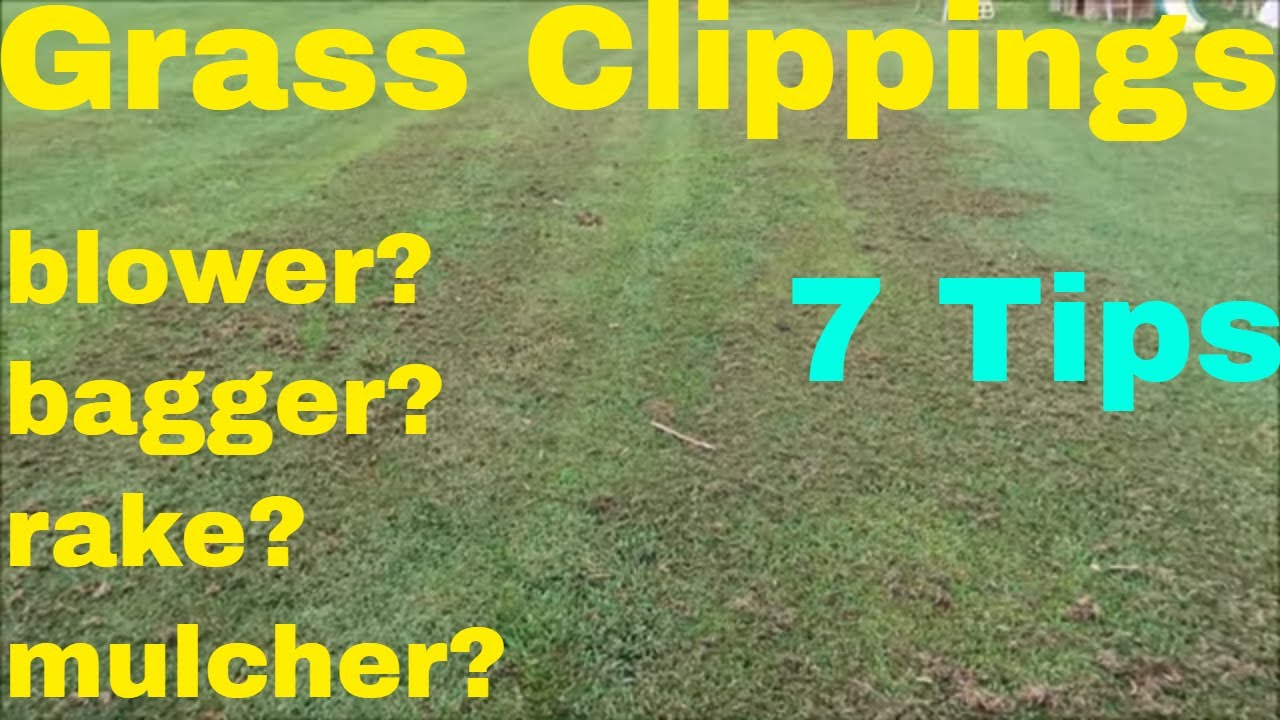
What can I say? Turf clippings are vital to composting. However you need to find out how to do it effectively so both your yard and compost bin enjoy! Many homeowners rapidly understand that their compost bin or system can not manage all that lawn! The following info will help you to better comprehend how to recycle those grass clippings.
So, let's begin there. Forget those long-held beliefs that grass clippings left on a yard smother the grass underneath or cause thatch. Yard clippings are really great for the yard. From now on, don't bag your yard clippings: "lawn cycle" them. Grasscycling is an easy, easy chance for each property owner to do something good for the environment.
And the best part is, it takes less energy and time than bagging and dragging that grass to the curb. Like the fellow in the image to the left, you might even take your turf clippings out for a Sunday bicycle flight; now that's grasscycling taken to the extreme! Grasscycling, in short, is the practice of leaving yard clippings on the lawn or using them as mulch.
Lawn clippings add water-saving mulch and motivate natural soil aeration by earthworms. No bagging or raking the yard (Whew!) Plastic lawn bags don't end up in the landfill 50% of your lawn's fertilizer needs are fulfilled, so you minimize money and time spent fertilizing Less polluting: reduces the requirement for fertilizer, pesticides and herbicides Non-thatch triggering, therefore making a lawn vigorous and durable Makes you feel good and green all over! Yahoozy! Not only does it make looking after your lawn simpler, but grasscycling can also minimize your mowing time by 50% since you don't need to get later on.
To grasscycle effectively, cut the grass when it's dry and always keep your mower blades sharp. Remove no more than 1/3 of the leaf area with each mowing. Cut when the lawn is dry. Utilize a sharp lawn mower blade. A dull mower blade bruises and tears the lawn plant, leading to a rough, ruined appearance at the leaf tip.
In the spring, lease an aerator which eliminates cores of soil from the lawn. This opens the soil and allows higher motion of water, fertilizer, and air by increasing the speed of decay of the grass clippings and boosting deep root development. Water thoroughly when required. During the driest duration of summer, lawns need a minimum of one inch of water every five to 6 days.
Read More About Shop
Yard clippings, being primarily water and very abundant in nitrogen, are bothersome in garden compost bins due to the fact that they tend to compact, increasing the possibility of ending up being soaked and releasing a strong ammonia-like odor. Follow these suggestions for composting this important "green", thereby decreasing odor and matting, and increasing quick decay:, intermixed in a 2-to-1 ratio with "brown" products such as dry leaves or plant particles (saving/bagging Fall's leaves is perfect for Spring/Summer grass composting). That's approximately 7 hours per season. Heck, that's a day at the beach!. No unique mower is required. For finest results, keep the mower blade sharp and mow just when the turf is dry. When clippings decay, they release their nutrients back to the lawn. They include nitrogen, potassium and phosphorus, in addition to lower amounts of other essential plant nutrients.
There's no polluting run-off, no usage of non-renewable resources and no damage to soil organisms or wildlife. The expense of trucking turf clippings to landfill sites comes out of residents' taxes. This is a wasteful practice: all those nutrient-rich clippings might be fertilizing individuals's yards, thus conserving cash on fertilizers and water expenses.
Grasscycling is a responsible ecological practice and a chance for all homeowners to minimize their waste. And the very best part is, it takes less time and energy than bagging and dragging that grass to the curb. Today, 58 million Americans spend around $30 billion every year to keep over 23 million acres of lawn.
The same size plot of land might still have a little lawn for recreation, plus produce all of the veggies required to feed a family of six. The lawns in the United States take in around 270 billion gallons of water a week: enough to water 81 million acres of organic vegetables, all summertime long.
farmland, or approximately the size of the state of Indiana. Yards utilize ten times as numerous chemicals per acre as commercial farmland. These pesticides, fertilizers, and herbicides run off into our groundwater and evaporate into our air, causing extensive contamination and international warming, and considerably increasing our danger of cancer, heart problem, and abnormality.
In fact, yards utilize more equipment, labor, fuel, and farming toxins than industrial farming, making yards the largest farming sector in the United States. However it's not just the residential yards that are wasted on grass. There are around 700,000 athletic grounds and 14,500 golf courses in the United States, many of which utilized to be fertile, efficient farmland that was lost to designers when the regional markets bottomed out.
To mow properly, numerous issues should be thought about: height, frequency, clipping removal, and blade sharpness. The chart below recognizes the most common ranges of turfgrass grown in yards, and the height to set your mower. Check out the tips below for more guidelines. Kentucky Bluegrass 2.5-3.5" 4" Fine/Tall Fescue 2.5-3.5" 4" Perennial Ryegrass 2.5-3" 4" Bermudagrass.5-1" 2" Zoysia.5-1" 2": Under most circumstances, lawns should be mown at 2.5-3-inches.

Latest Posts
Discover More About Rose
Learn More About Shrubs